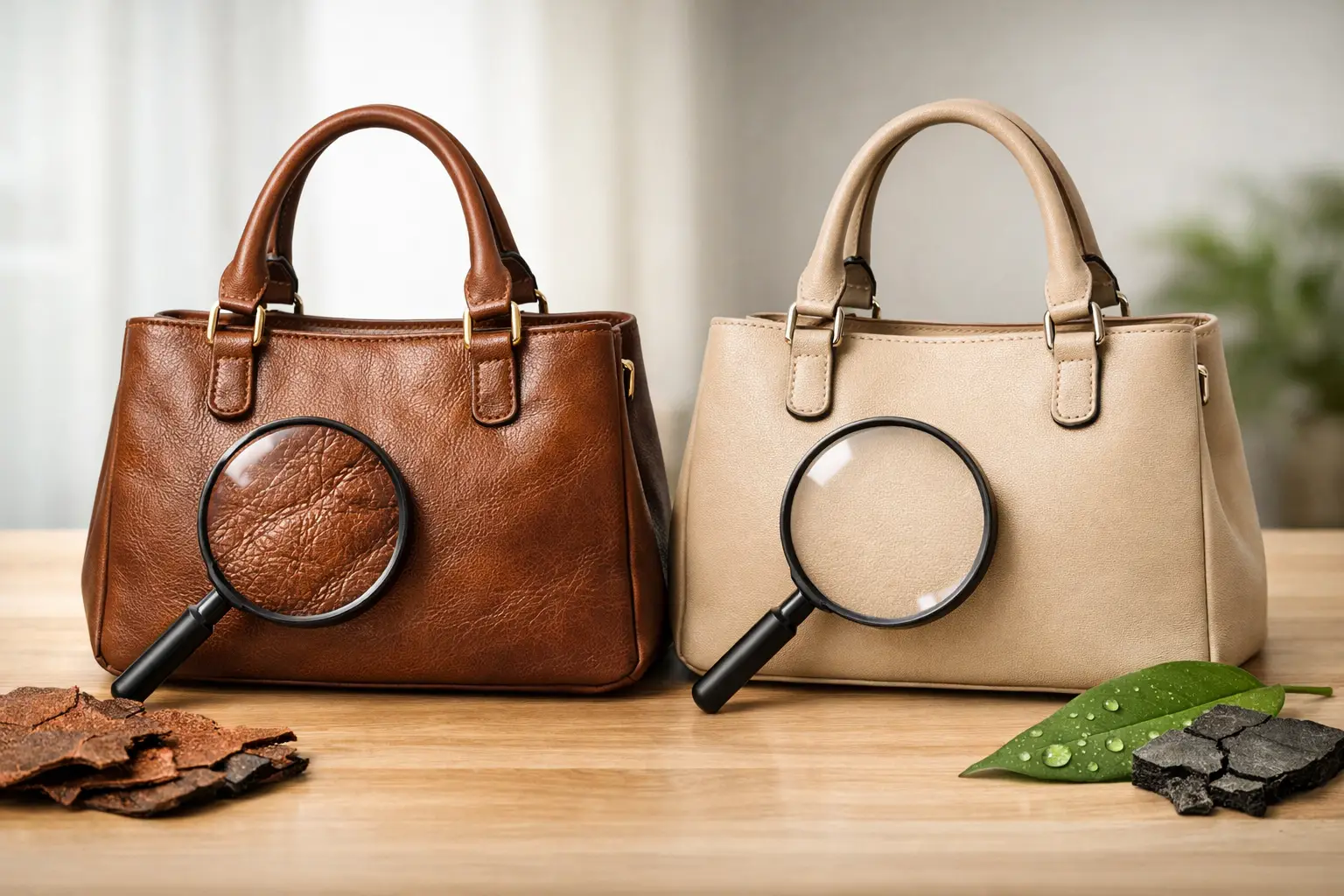
A handbag can look perfect on delivery day and still be the wrong choice for your real life. If you carry a laptop, commute in changing weather, toss your bag into a car, or wear the same crossbody every weekend, leather versus vegan handbag durability becomes more than a style question. It is about how a material handles your routine, how much care you want to give it, and what value looks like for your budget.
Both options can be smart buys. The best pick depends on the bag’s construction, the material quality, and how often you plan to use it.
Leather Versus Vegan Handbag Durability at a Glance
Genuine leather usually has the longer lifespan when it is well made and properly cared for. It is a natural hide with fibers that can flex, soften, and develop character over time. A quality leather tote or shoulder bag may stay in rotation for years, especially when it has reinforced handles, sturdy stitching, and a structured lining.
Vegan leather, also called faux leather or synthetic leather, can be highly practical and fashion-forward. Most versions are made with polyurethane, known as PU, or polyvinyl chloride, known as PVC, over a fabric backing. They often offer a smooth, even finish, easy cleanup, and a lower upfront price. But many synthetic surfaces eventually peel, crack, or separate from their backing, particularly around handles, corners, and folds.
That does not mean every leather bag lasts forever or every vegan bag wears out quickly. Thin bonded leather can fail sooner than expected, while a well-constructed PU bag used gently can look great for several seasons. Material matters, but construction and care matter too.
Why Leather Often Lasts Longer
Leather’s main advantage is how it ages. Instead of simply wearing away, good leather often forms a patina: a richer, softened look created through use. Small scuffs may blend into the surface or be improved with the right conditioner. This makes it an appealing choice for an everyday tote, work bag, or classic crossbody you expect to carry often.
It also tends to handle weight better. A leather handbag with strong handle attachments is less likely to stretch or split when it regularly carries essentials such as a wallet, water bottle, tablet, and makeup bag. That said, leather is not invincible. Overfilling any handbag puts stress on seams and hardware, and delicate leather finishes can scratch easily.
Different leather types perform differently. Full-grain and top-grain leather are generally stronger, more substantial choices. Split leather and bonded leather can be more affordable, but they may not offer the same long-term resilience. If durability is your priority, look past the word “leather” in a product description and pay attention to the finish, thickness, stitching, and hardware.
The care trade-off with leather
Leather needs a little attention to stay its best. It can dry out, stain, or lose shape if it is neglected. Rain is not always a disaster, but repeated soaking and heat exposure can cause damage. A gentle wipe after use, occasional conditioning, and storage away from direct sunlight go a long way.
For shoppers who want one signature bag that becomes more personal over time, this extra care can feel worthwhile. For someone who wants a grab-and-go accessory with minimal maintenance, it may feel like another task.
Where Vegan Handbags Shine
Vegan handbags are often lighter than leather, which is a meaningful advantage if you carry your bag all day. They also come in a wide range of colors, textures, and trend-led silhouettes. A bright mini bag, quilted shoulder bag, or statement bucket bag can refresh an outfit without requiring the budget of a comparable leather version.
Their finish is often easier to wipe clean, too. Spilled coffee, makeup marks, and everyday dust can usually be removed with a soft damp cloth. This makes vegan leather an appealing option for travel, casual outings, and occasions where you want style without worrying over every small mark.
Price is another factor. A lower initial cost can make it easier to try a new shape or color. If you enjoy switching handbags with the season, a vegan option may offer better practical value than buying one expensive bag you rarely carry.
The limits of synthetic materials
The most common durability issue with vegan leather is surface breakdown. Heat, humidity, body oils, friction, and frequent bending can weaken the coating. The first signs are often peeling edges, corner wear, cracks near a zipper, or flaking on handles.
Once peeling begins, it is difficult to repair in a way that looks polished. Leather can often be cleaned, conditioned, or professionally restored; vegan materials are typically harder to revive because the outer layer itself is failing.
Not all vegan materials are alike. Basic PVC may feel stiff and can crack over time. PU is usually softer and more flexible, though quality still varies widely. Some newer plant-based materials use components such as cactus, pineapple leaf fiber, apple waste, or mushroom-based blends. These can be exciting alternatives, but durability depends on the final coating and construction, not just the plant-based label.
Look Beyond the Material Label
A durable handbag is built from more than its outer material. Before choosing between leather and vegan leather, inspect the details that take the most daily stress.
Check how handles connect to the bag. Reinforced stitching, metal rings, and securely attached tabs are encouraging signs. Look at the corners, because unprotected corners show wear first, especially on larger totes. Zippers should move smoothly, hardware should feel firmly anchored, and the lining should not pull away from the interior seams.
Shape matters as well. A soft slouchy bag has fewer rigid edges that can crack, but it may lose form if overloaded. A structured satchel can look sharp for longer, although it may show corner scuffs more quickly. Crossbody bags are convenient for hands-free days, yet the strap and its attachment points deserve extra attention because they carry the bag’s full weight.
A simple rule helps: buy according to the job. For a daily work tote, prioritize strong handles, room without overstuffing, and a material that can handle repeat use. For an event bag or seasonal trend piece, a lighter vegan handbag may make perfect sense.
Make Either Handbag Last Longer
Good habits can extend the life of almost any handbag. Avoid hanging a heavy bag by one handle, and do not store it on the floor where it can collect moisture and dirt. Empty the bag occasionally so pens, snacks, loose cosmetics, and keys do not create stains or pressure points.
Store leather in a dust bag or breathable cotton pillowcase, not airtight plastic. Keep it lightly stuffed with clean paper or a bag insert to help maintain its shape. Use a leather conditioner sparingly and test it in a hidden spot first.
For vegan leather, wipe the surface with a soft cloth and mild soap if needed, then let it air dry completely. Skip harsh cleaners, alcohol-heavy wipes, and oils, which can damage coatings. Keep it away from radiators, hot cars, and prolonged direct sun. Heat is especially tough on synthetic finishes.
Which Choice Fits Your Shopping Style?
Choose leather if you want a classic handbag you will carry frequently, appreciate natural variation, and are comfortable with basic maintenance. The higher upfront cost can make sense when the bag’s style is versatile enough to earn years of use.
Choose vegan leather if you like changing up your look, want an easy-clean finish, prefer a lighter bag, or are shopping within a specific price range. It can be a great choice for fashion colors, occasion bags, and styles you do not expect to carry every day for a decade.
There is no need to make one material your entire handbag collection. A dependable leather or high-quality leather alternative for daily use, plus a few trend-forward vegan styles, gives you options for workdays, weekends, travel, and special plans. Shop smart, choose the construction that matches your routine, and give your favorite bag the small amount of care that keeps it ready for the next outing.
Leave a Reply